


China’s Economic Engine Begins to Slow, Raising Fresh Questions About the Road Ahead
By Dike Godspower
For years, China’s economy has been the engine that powered much of global trade. From factories supplying products to every corner of the world to massive infrastructure projects that fueled demand for raw materials, the country’s growth has shaped economies far beyond its borders.
That engine, however, appears to be losing some speed.
Fresh economic indicators suggest China’s growth has eased during the second quarter of 2026, reflecting a mix of cautious consumer spending, slower business activity, and continued weakness in the country’s property market. While the slowdown is not being described as a crisis, it is enough to capture the attention of governments, investors, and businesses that depend on China’s economic strength.
Across many Chinese cities, households are becoming more selective about how they spend their money. Companies are also delaying expansion plans as they weigh uncertain market conditions. The result is an economy that is still growing but not with the same confidence seen in previous years.
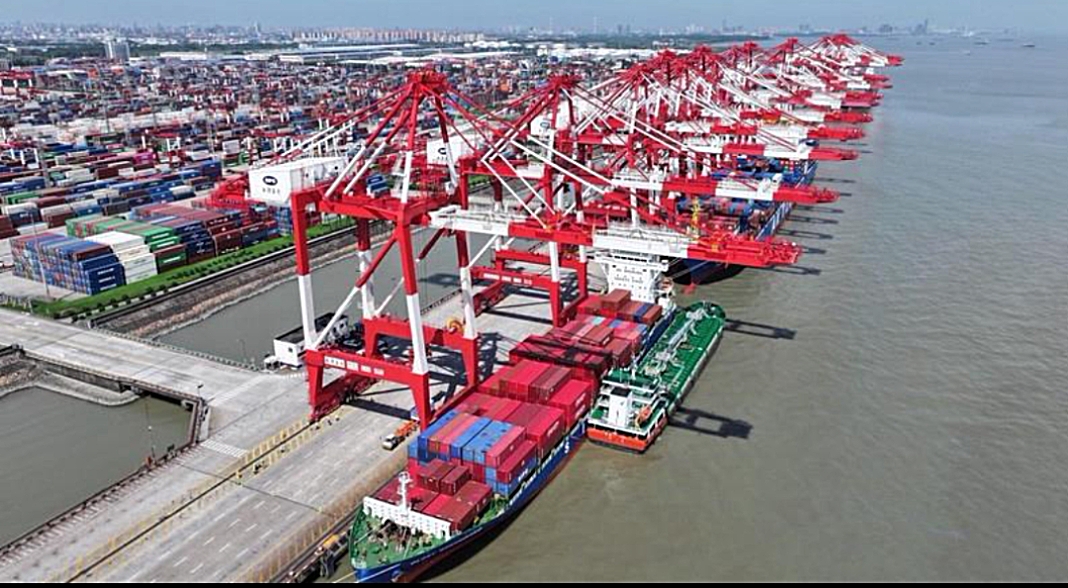
Export industries continue to provide some relief, with demand from overseas helping manufacturers maintain production. Even so, economists believe exports alone may not be enough to offset softer domestic demand, especially as global economic conditions remain unpredictable.
Beijing has acknowledged that the economy is facing headwinds and is expected to introduce additional measures aimed at supporting businesses, encouraging consumer confidence, and sustaining employment. Analysts, however, believe policymakers will move carefully, choosing targeted interventions instead of broad stimulus programmes.
What happens in China rarely stays within its borders.
As one of the world’s largest economies and a major trading partner for countries across Asia, Africa, Europe, and the Americas, any shift in China’s economic direction can influence global markets. Commodity-exporting nations are paying particularly close attention because slower industrial activity in China often affects demand for energy and raw materials.
For Nigeria, the development carries its own significance. China remains one of the largest consumers of crude oil and industrial commodities. If demand weakens further, international oil prices could face additional pressure, with possible consequences for government revenue and foreign exchange earnings.
Despite the softer outlook, many economists do not believe China’s long-term growth story is over. Instead, they see the current period as a difficult adjustment, with policymakers trying to balance economic stability, financial reforms, and changing global trade dynamics.
The coming months will offer a clearer picture of whether the slowdown is temporary or the beginning of a more prolonged shift. Until then, the world’s attention will remain fixed on Beijing, where decisions made today are likely to shape tomorrow’s global economy.
