


Under Military Watch, Trump Restores Iran Blockade and Swaps Proposed Shipping Fees for Gulf Investments
In a realignment of American strategy in the Persian Gulf, President Donald Trump has officially reinstated a selective naval blockade on Iranian trade while abruptly shelving his proposal to tax global commercial shipping navigating the Strait of Hormuz. The dual-track approach represents a high-stakes effort to isolate Tehran economically while averting a costly dispute with international shipping allies and securing major foreign investments for the American economy.
The strategic pivot, outlined by the president, follows days of intense military and diplomatic activity in the region. President Trump asserted that global energy supplies are currently moving safely through the area due to the overwhelming presence of the United States military.
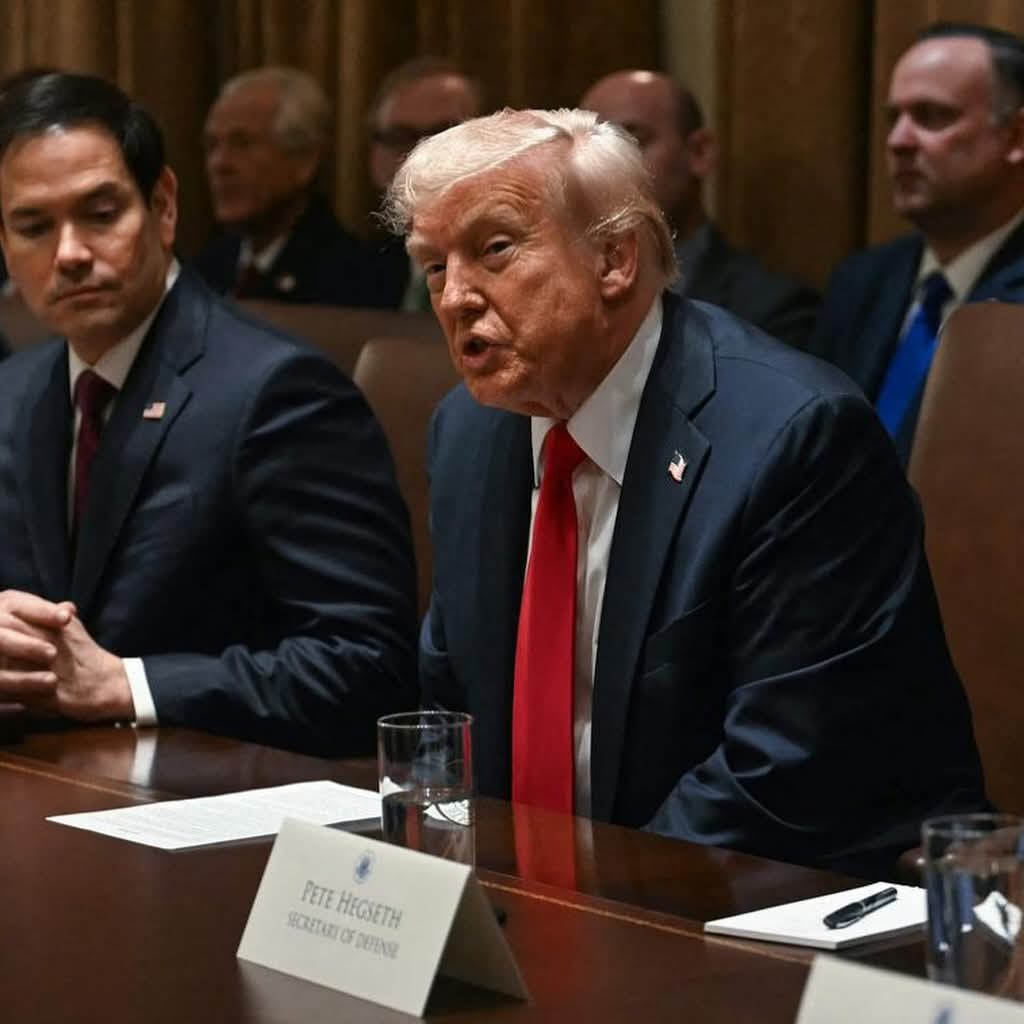
He issued a direct salute to key defense leadership including Secretary of War Pete Hegseth, Chairman of the Joint Chiefs of Staff Dan Caine, and Commander of the United States Central Command, Admiral Brad Cooper, crediting their forces with keeping the vital waterway open to international commerce.Under the newly re-imposed rules of engagement, U.S. naval forces will enforce a complete blockade on all vessels traveling to or from Iranian ports, as well as any shipping carriers transporting cargo associated with Iran.
Trump fiercely criticized Tehran’s leadership, characterizing them as deceitful and malicious, and warning that the regime’s current trajectory is heading toward complete ruin. By focusing the blockade strictly on Iranian trade, the administration aims to paralyze Tehran’s remaining economic lifelines without shuttering the critical international transit lane to neutral global commerce.
The announcement also resolved a brief but tense international standoff over the administration’s previous plan to declare the U.S. the “Guardian of the Strait of Hormuz” and charge commercial vessels a mandatory 20% “reimbursement fee” to fund patrol operations. The proposal had faced immediate resistance from global trade groups, European allies, and maritime nations concerned about spiking shipping costs and the legality of taxing international waters.Following a series of urgent discussions with Middle Eastern leaders, Trump revealed that the proposed shipping tolls would be entirely replaced by major trade and investment agreements with various Gulf states. According to the president, these partner nations will bypass transit fees by making massive direct investments into the United States.
The administration claims this influx of capital will drive domestic manufacturing through the construction of new plants and factories, ultimately creating millions of high-paying American jobs.The hardline economic shift is playing out against a highly volatile military backdrop in which U.S. forces have been actively striking Iranian military installations to protect merchant shipping. In his closing remarks, Trump linked the blockade to Iran’s domestic human rights record, citing the regime’s historical crackdowns on dissent and asserting that the era of state-sponsored violence against protestors is over. Reaffirming Washington’s ultimate objective in the region, the president vowed that under his watch, Iran will be permanently barred from ever developing or acquiring a nuclear weapon.
